 how-to
How to Tell If Circuit Breakers Are Failing
Quick Summary
Circuit breakers that are failing often show visible signs such as black or brown scorch marks, melted plastic, a burning smell, or a warm breaker or panel cover. A breaker that trips frequently or will not stay on after a reset is also a warning sign. Any burning odor or sparking calls for a licensed electrician right away.
- Look for scorch marks, melted plastic, or discoloration on the breaker or panel.
- A breaker should feel close to room temperature; warmth suggests a failing breaker or connection.
- If a breaker trips right after resetting, unplug devices on that circuit and try again.
- A breaker that will not stay in the on position should be replaced by a professional.
- Never open a damaged, warm, or smoking panel cover; call 911 if you see smoke or sparking.
Table of Contents
- Signs of a Bad Circuit Breaker You Can Spot Without Tools
- Why a Circuit Breaker Keeps Tripping and What It Means
- Electrical Panel Warning Signs Beyond the Breaker Itself
- How to Test a Circuit Breaker Safely
- Safety Rules to Follow Before You Touch the Panel
- Booking a Panel and Breaker Inspection With Light Life Electric
- Frequently Asked Questions
Signs of a Bad Circuit Breaker You Can Spot Without Tools
Most circuit breakers fail quietly, but they usually leave clues you can see, smell, or feel. A breaker that trips often, runs warm, or shows marks on its housing is telling you something is wrong. These warning signs can often be spotted in homes without any tools. Knowing what to look for helps you act before a small problem turns into a fire risk.
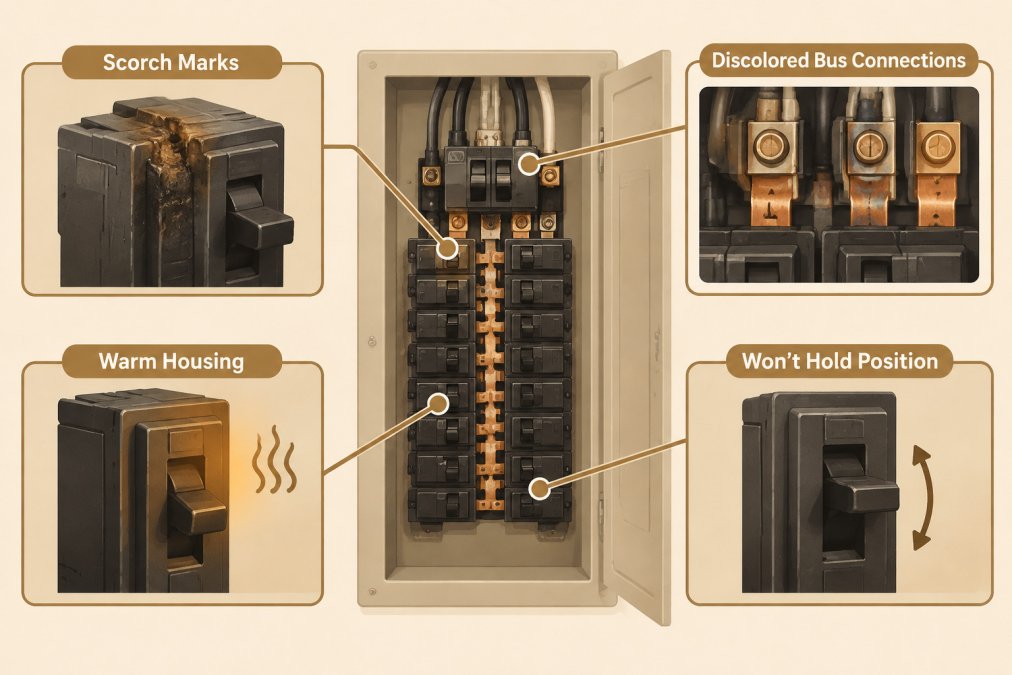
Burn Marks, Scorching, and Burning Odors
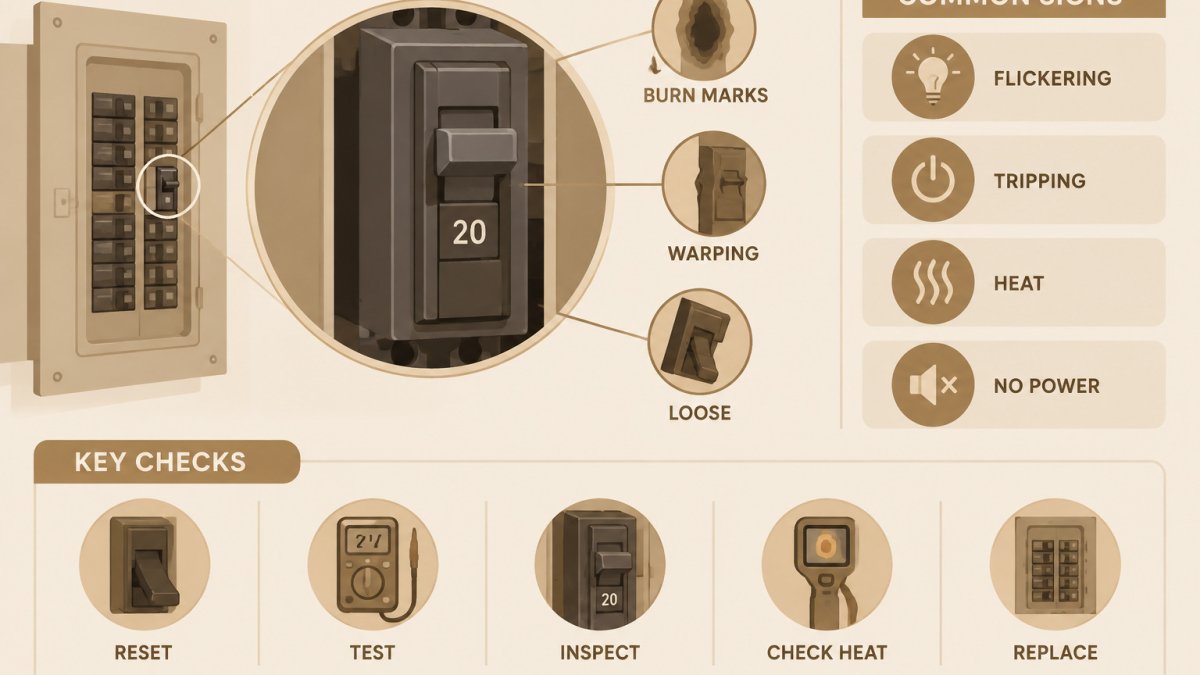
Look at the breaker switches and the area around them. Dark brown or black marks, melted plastic, or a faint burning smell are serious warning signs. These symptoms often point to a loose connection or a breaker that is overheating under load.
- Black or brown scorch marks on the breaker or panel
- Melted or warped plastic around the switch
- A burning smell near the panel, even when nothing seems hot
- Crackling or buzzing sounds from the panel
Watch out: Never ignore a burning smell from your panel. Turn off power to the affected circuit if you can do so safely, and call a licensed electrician right away.
Warm or Hot Breakers and Panel Covers
A breaker should feel close to room temperature. If the breaker body or the panel cover feels warm to the touch, the breaker or its connection may be failing. Heat is a common sign of a loose wire or a breaker that can no longer carry its rated load safely.
The warning signs below are ones you can spot without tools, and each one calls for a different response.
| Sign | What it may mean | What to do |
|---|---|---|
| Black or brown scorch marks | Loose connection or overheating breaker | Turn off the circuit if safe and call an electrician |
| Melted or warped plastic | Breaker overheating under load | Stop using the circuit and call an electrician |
| Burning smell near the panel | Possible electrical fire risk | Call a licensed electrician right away |
| Warm breaker or panel cover | Failing breaker or connection | Have a professional inspect it |
| Crackling or buzzing sounds | Arcing or loose connection | Call an electrician promptly |
Why a Circuit Breaker Keeps Tripping and What It Means
A breaker that keeps tripping is doing its job, but it is also telling you that something on that circuit is not right. Breakers trip to stop too much current from flowing through the wires. Frequent trips usually mean one of three things: an overloaded circuit, a short or ground fault, or a breaker that has worn out.
Here are the most common causes:
- Too many devices on one circuit: Space heaters, air conditioners, and kitchen appliances can pull more power than a single circuit can handle.
- A short circuit: Damaged wires or a faulty appliance can create a direct path for current, causing an immediate trip.
- A ground fault: Water near outlets, or damaged cords, can cause current to leak where it should not.
- A worn breaker: Over many years, the internal mechanism can weaken and trip at the wrong times.
If a breaker trips right after you reset it, do not keep resetting it. Unplug devices on that circuit and try again. If it still trips, call an electrician.
Electrical Panel Warning Signs Beyond the Breaker Itself
Sometimes the problem is bigger than one breaker. The whole electrical panel may be aging or overloaded. A worn panel can cause breakers to fail, so it is worth looking at the bigger picture. Learn how to tell if your electrical panel needs replacing to see when the whole panel, not just one breaker, may need attention.
Watch for these signs across the panel:
- Breakers that will not stay in the on position
- Flickering lights when large appliances turn on
- A panel that buzzes, hums, or feels warm
- Outlets that feel loose or spark when plugged in
- A panel that is more than 25 to 30 years old
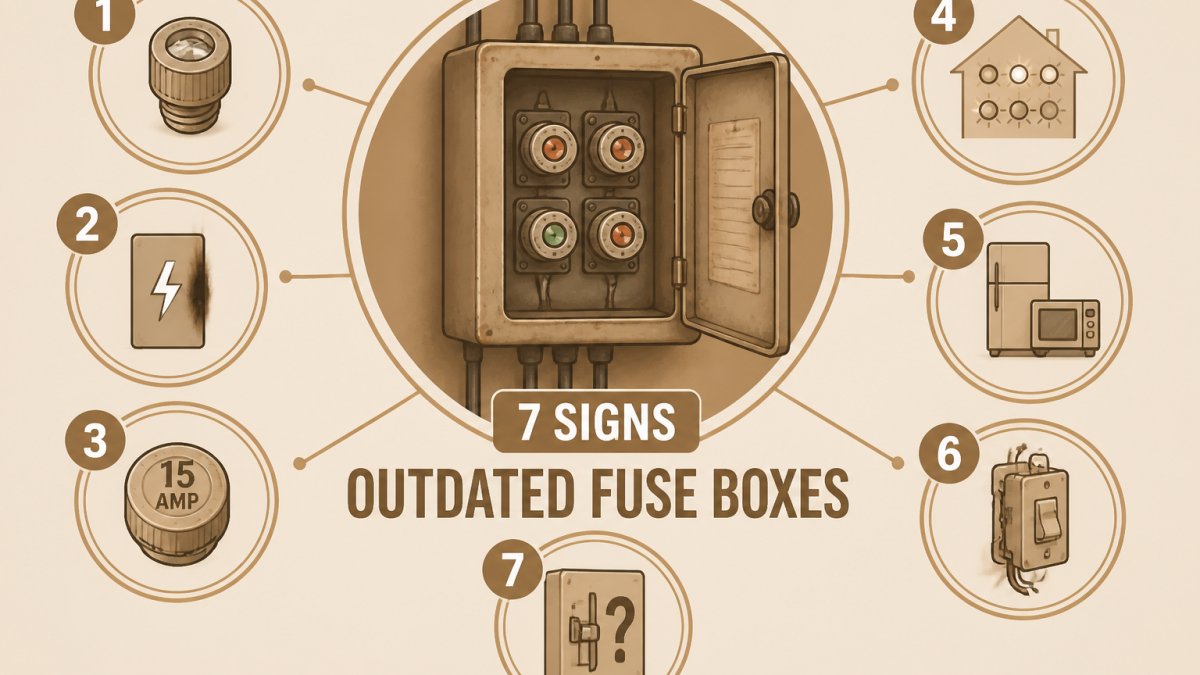
- Fuses or older fuse-style boxes that are hard to replace
A circuit breaker box is the modern standard, and it is generally safer than an older fuse box because breakers can be reset. Circuit breaker box vs fuse box: safety comparison explains the differences in more detail. If your home still has a fuse box, have a licensed electrician evaluate it, since older fuse setups may not handle modern household power demands.
How to Test a Circuit Breaker Safely
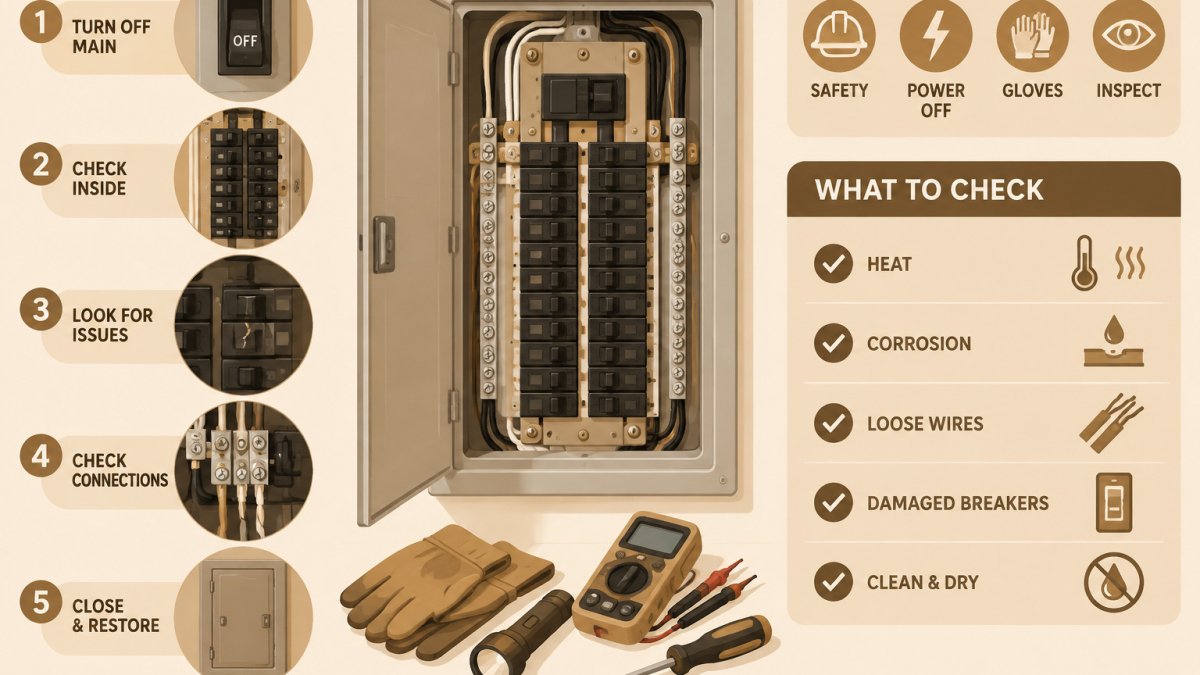
Testing a circuit breaker can be done safely if you follow careful steps. However, the panel itself carries live power, so the safest approach is to do only the visual and reset checks yourself.
Get your free electrical estimate →
Visual Inspection and Reset Behavior Check
Start with a simple check that needs no tools:
- Find the breaker that controls the problem circuit.
- Look for scorch marks, melting, or discoloration.
- Switch the breaker fully off, then fully on.
- Note whether it stays in the on position.
- If it trips right away, unplug everything on that circuit and try again.
A breaker that will not hold its position after a reset should be replaced by a professional.
Testing With a Multimeter or Outlet Tester
A plug-in outlet tester can show wiring faults at the outlet, such as open grounds or reversed polarity. A multimeter can measure voltage at the outlet, but reading voltage inside a live panel is dangerous for untrained people.
Safety Rules to Follow Before You Touch the Panel
Electrical panels can hide lethal voltage. Follow these rules before you open the cover or touch any breaker:
- Never open a panel cover that is damaged, warm, or smoking.
- Stand on dry, non-conductive flooring, and never work near standing water.
- Wear proper footwear and keep your hands dry.
- Do not remove the dead-front cover behind the breakers. Only trained electricians should do that.
- Keep flammable materials away from the panel.
- Call 911 if you see smoke, fire, or sparking.
Watch out: A breaker that feels warm or smells like it is burning is a fire hazard. Stay clear of the panel and call a licensed electrician immediately.
Booking a Panel and Breaker Inspection With Light Life Electric
If you see any of the warning signs in this guide, a professional inspection is the fastest way to find the real cause. Light Life Electric is a family-owned electrical contractor serving Southwest Florida, with Florida-certified electricians. We also offer 24/7 emergency response, so you can get help when a breaker trips at night or a panel starts to smell.
Our team can review the service options we offer, including emergency repairs and panel upgrades. book a panel and breaker inspection to get a clear diagnosis and a quote before any work begins.
Frequently Asked Questions
What are the signs of a failing circuit breaker?
The most common signs are a breaker that trips repeatedly, feels warm or hot to the touch, shows scorch or discoloration on its housing or the panel, emits a burning smell or buzzing sound, or will not reset properly. Any of these signals a problem with the breaker, the circuit load, or the wiring connected to it. A breaker that shows physical damage or that keeps tripping under normal load should be inspected by a licensed electrician promptly rather than reset repeatedly.
How can you tell if a circuit breaker is bad?
Start with a visual check and a reset test. Turn off the main power, inspect the breaker for scorching or melting, then switch the breaker fully off and back on. A healthy breaker resets firmly and holds. A breaker that feels loose, does not stay on, or trips immediately with nothing connected to it is likely failing. Testing the breaker with a multimeter or outlet tester can confirm whether it delivers power, but any work inside the panel should be left to a qualified electrician.
Why does a circuit breaker keep tripping?
A breaker trips to protect the circuit when current exceeds its rating or when a fault such as a short or ground fault is present. Common causes include an overloaded circuit, a faulty appliance, damaged wiring, or a breaker that has worn out over time. If a breaker keeps tripping even after you unplug the devices on that circuit, the breaker itself or the wiring may be at fault and should be evaluated by a licensed electrician.
Is it safe to reset a breaker that keeps tripping?
Resetting a breaker once after it trips is generally safe if you have already unplugged or switched off the devices on that circuit. Repeatedly resetting a breaker that keeps tripping is not safe. Each reset forces current through a fault that the breaker is designed to stop, which can overheat wiring and create a fire risk. If a breaker trips again soon after resetting, stop and call a licensed electrician to find the cause.
National Fire Protection Association guidance on electrical safety