 how-to
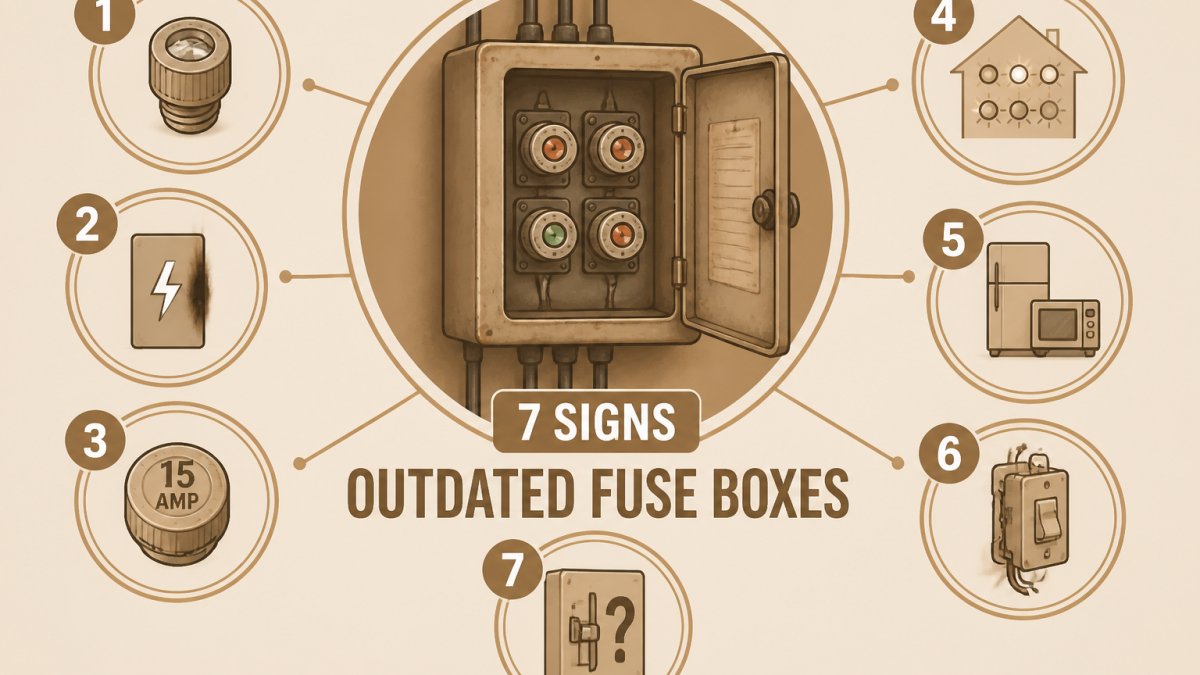
7 Signs You Need to Replace Outdated Fuse Boxes
Last Updated: November 2, 2026
Quick Summary
Replace outdated fuse boxes when the panel shows heat damage, keeps blowing fuses, or can't carry your electrical load. Scorch marks, corrosion, warm covers, and buzzing are same-day call signs, and a panel rated for 60 amps cannot safely feed a home that needs 200.
- A fuse that blows every few weeks means the circuit is overloaded or a connection is loose.
- Never replace a blown fuse with a larger one or a coin, which bypasses circuit protection.
- Breakers reset with a switch, while fuses must be replaced and the right size matched.
- A straightforward panel replacement is often a one-day job once the permit is issued.
- Confirm the contractor will pull the permit in their own name and schedule the utility disconnect.
Table of Contents
- Outdated Fuse Box Warning Signs Every Bradenton Homeowner Should Know
- Overloaded Circuits and Insufficient Electrical Capacity
- Fire, Shock, and Arcing Hazards of an Old Fuse Panel
- Fuse Boxes vs. Modern Circuit Breaker Panels
- Are Old Fuse Boxes Still Legal or Grandfathered?
- Fuse Box Replacement Cost Factors in Bradenton
- The Fuse Box Replacement Process, Step by Step
- Why You Need a Licensed Electrician for Fuse Box Replacement
- Frequently Asked Questions
Outdated Fuse Box Warning Signs Every Bradenton Homeowner Should Know
If your home still runs on an old fuse panel, you need to know when to replace outdated fuse boxes. The short answer: replace when the panel shows heat damage, keeps blowing fuses, or can't carry your electrical load.
A fuse box is an electrical panel that protects circuits using screw-in fuses instead of breakers. Many older homes in Manatee and Sarasota Counties still have one.
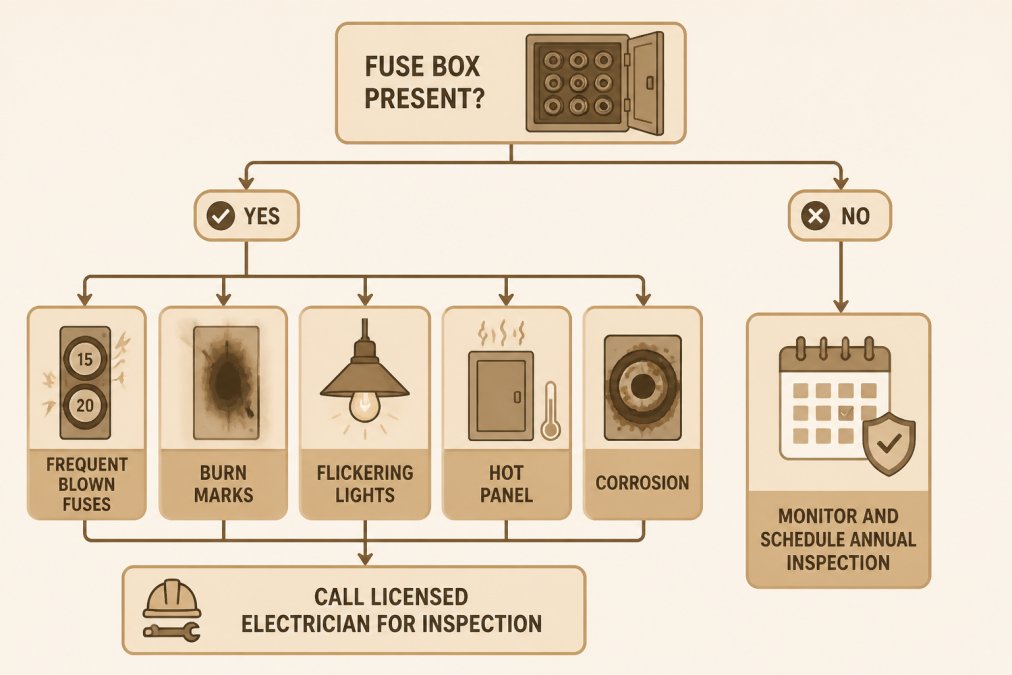
Here is a general decision flow for evaluating a fuse panel:
Frequent Blown Fuses and Repeated Circuit Problems
A fuse that blows once is normal. One that blows every few weeks means the circuit is overloaded or a connection is loose.
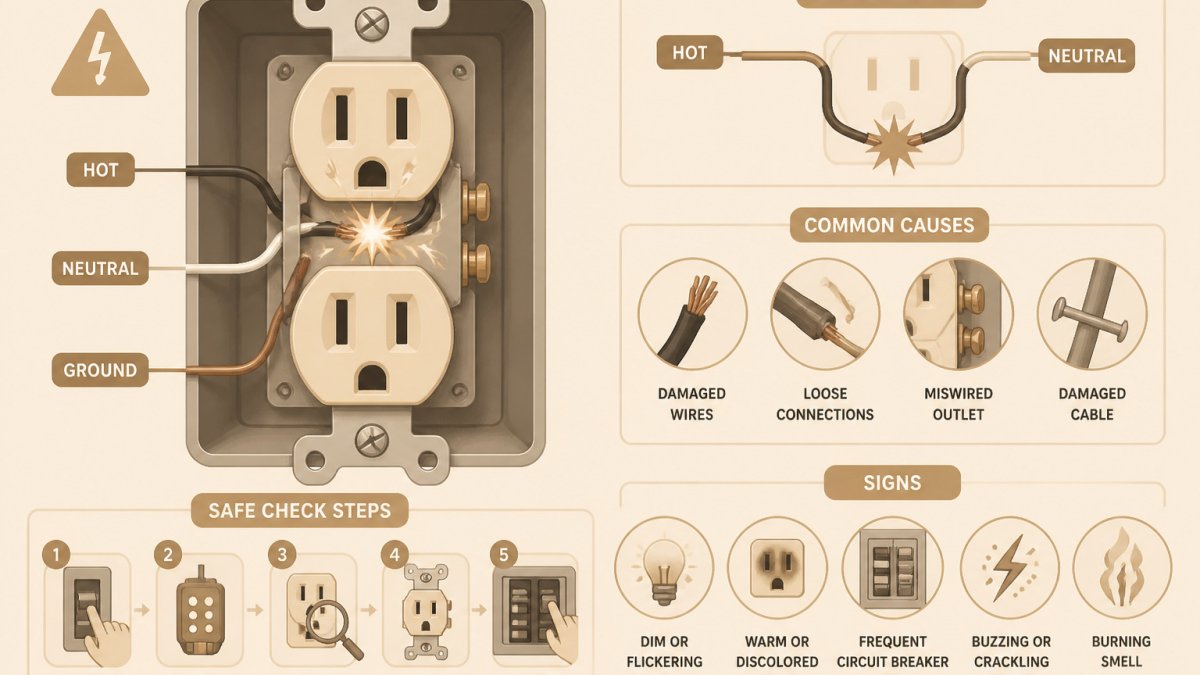
Watch for these patterns:
- The same fuse blows again and again
- Fuses blow when you run the microwave and toaster together
- You have upgraded to larger fuses to stop the blowing
That last one is the dangerous move: a bigger fuse lets more current through wiring never sized for it. Treating a blown fuse as a nuisance rather than a signal is a common mistake.
Burn Marks, Corrosion, and Other Visible Damage
Visible damage at the panel means it is failing, not just old. Scorch marks, melted fuse holders, rust, and green corrosion all point to heat or moisture problems.
Check for:
- Black or brown scorching around fuse sockets
- A damaged fuse holder that no longer grips tight
- Rust or corrosion inside the panel box
Coastal humidity speeds up corrosion, so a panel that looks fine in photos can hide rusted connections behind the cover. Any sign of arcing or scorching deserves a same-day call to a licensed electrician.
Flickering Lights, Buzzing, and Heat at the Panel
Flickering lights and a warm panel are two of the clearest warning signs of a failing electrical system. Dimming lights when appliances kick on suggest loose connections or a panel at its limit.
Put your hand near the panel cover, not on it. Warmth, buzzing, or a faint burning smell means power should be shut off and inspected. These are shock and fire signals, not quirks to live with.
Overloaded Circuits and Insufficient Electrical Capacity
Most old fuse panels were built for a fraction of what a modern home draws. Central air, EV chargers, heat pumps, tankless water heaters, and home offices all add load. A panel rated for 60 amps cannot safely feed a house that needs 200.
Signs your electrical capacity is maxed out:
- You avoid running two big appliances at once
- New appliances trip the same circuit
- Your renovation plans need more circuits than the panel has space for
If you are planning an addition or kitchen remodel, have the panel assessed first. Upgrading the service is often cheaper than discovering the limit mid-project.
Fire, Shock, and Arcing Hazards of an Old Fuse Panel
Arcing is the quiet hazard in aging panels. Loose connections spark inside the box, and each spark chars the metal a little more.
The risks stack up in three ways:
- Fire hazard: arcing and overheated connections near wood framing
- Shock hazard: cracked fuse holders and missing cover plates
- Electrical damage: voltage spikes that wear out appliances
Watch out: never replace a blown fuse with a larger one or a coin. That bypasses circuit protection entirely and turns a small fault into a fire risk.
If you smell burning or see smoke at the panel, shut off the main power and call for help. You can also request rapid emergency electrical repairs any time.
Fuse Boxes vs. Modern Circuit Breaker Panels
Modern circuit breaker panels offer several advantages over fuse boxes, including convenience and modern safety features. Breakers reset with a switch; fuses must be replaced, and the right size matched every time.
Get your free electrical estimate →
| Feature | Old Fuse Box | Modern Breaker Panel |
|---|---|---|
| Reset method | Replace fuse | Flip switch |
| Capacity | Often 60 amps | 200 amps common |
| Protection | Fuse only | Breaker plus GFCI/AFCI options |
| Parts availability | Limited | Widely available |
| Insurance and resale | Can raise questions | Standard expectation |
Modern safety features matter most. GFCI and AFCI breakers cut power during ground faults and arc faults, protection a fuse panel cannot offer. For a deeper side-by-side, read our circuit breaker box vs fuse box safety comparison.
Are Old Fuse Boxes Still Legal or Grandfathered?
An old fuse box is not automatically illegal, and age alone is not a code violation. The legal question turns on three things: what code was in force when the panel was installed, whether the installation remains safe and intact, and what the current owner is asking the system to do.
Here is how the general rules typically apply:
- Code adoption is local. The National Electrical Code (NEC) is a model code, not federal law. It becomes enforceable only when a state or local jurisdiction adopts a specific edition. Florida adopts the NEC through the Florida Building Code, and local jurisdictions administer permitting and inspections under the adopted code. Confirm the current adopted edition with the local building department. Because editions change, confirm the current adopted edition with the building department before you rely on any summary, including this one.
- Existing installations are generally not required to be brought up to the newest code just because a new edition was adopted. That is the idea people mean by "grandfathered." But the protection is not unlimited. A panel that is unsafe, has been modified without a permit, or is part of a change of use or a major renovation can be required to meet current requirements.
- Triggers that remove the grandfather. A service upgrade, a panel replacement, a new feeder, a major addition, or a change in occupancy typically requires the work to meet the code in force at the time of permitting. Adding a large load, a heat pump, an EV charger, a tankless water heater, can push an undersized service past its limit and force an upgrade.
How to verify your own situation:
- Identify the panel and service size. The label inside the panel door lists the manufacturer, model, and amperage rating. Photograph it.
- Pull the permit history. Local building departments typically maintain permit records. Ask the building department whether prior electrical work was permitted and inspected. Unpermitted work is a common finding in older homes.
- Request the current code edition and inspection requirements. Ask the authority having jurisdiction (AHJ) which code edition is enforced and what a panel change requires, permit, plan review, rough-in inspection, final inspection.
- Get a written inspection from a licensed electrician. The electrician should document the service size, grounding and bonding, conductor condition, and any damage, and state plainly whether the panel is safe to leave in service.
- Ask your insurer in writing. Get the carrier's position on fuse panels before you buy, sell, or remodel, so a surprise underwriting rule does not stall a closing.
Watch out: a home inspector's note that a panel is "old" is not a code determination. Only the AHJ can rule on code compliance, and only a licensed electrician should assess whether the panel is safe to keep energized.
Fuse Box Replacement Cost Factors in Bradenton
Fuse box replacement cost depends on the scope of work, and pricing varies with the specifics of each project. The panel itself is one line item; labor, permits, inspection, and wiring corrections are the rest.
Cost drivers include:
- Service size: a 100-amp upgrade costs less than a 200-amp service
- Wiring condition: aluminum wiring or damaged circuits add work
- Meter and mast: some homes need those replaced too
Pricing depends on the specifics of your panel and project. For local pricing, permit, and safety guidance, see our Bradenton electrician guide. For current pricing or a quote, request a free electrical estimate and get a written scope.
The Fuse Box Replacement Process, Step by Step
A fuse box replacement is a permitted electrical project, not a swap-and-go job. The permit, the utility, and the inspector each gate the next step.
- Assessment and load calculation. A licensed electrician can assess the panel, check conductor condition, and confirm grounding and bonding. A load calculation determines whether the home needs a 100-amp or 200-amp service. This step decides the scope before anyone quotes a price.
- Written scope and estimate. You receive a line-item scope: panel and breakers, labor, permit fees, any wiring or grounding corrections, and meter or mast work if needed. Ask what is excluded, drywall repair, painting, and landscaping restoration usually are.
- Permit application. The licensed contractor files the electrical permit with the City of Bradenton or Manatee County, depending on jurisdiction. The permit lists the scope and the contractor of record. Work cannot legally start before the permit is issued.
- Utility coordination. A service upgrade usually requires the utility to disconnect and later reconnect power, and may require a new meter base or mast. The contractor schedules the disconnect with the utility; this is often the longest lead time in the project.
- Power-off and removal. On the scheduled day, power is shut off, the old panel and fuses are removed, and the wall opening is prepped. The home is without power for the working day.
- Installation. The new panel is mounted, feeders and branch circuits are landed on breakers, grounding and bonding are brought up to the adopted code, and AFCI and GFCI protection are installed where required.
- Rough-in inspection (where required). Some jurisdictions inspect the wiring and grounding before the panel is closed up. Confirm the sequence with the AHJ at permit time.
- Final inspection. The inspector verifies the installation against the permitted scope and the adopted code. Corrections, if any, are made and reinspected.
- Power restoration and testing. The utility reconnects, every circuit is tested, and the contractor walks you through the new panel and labels.
Timeline in practice. A straightforward panel replacement is often a one-day job once the permit is issued and the utility disconnect is scheduled.
What drives the cost. The panel and breakers are one line item; the rest is labor, permit fees, inspection, utility coordination, and wiring or grounding corrections.
Why You Need a Licensed Electrician for Fuse Box Replacement
A panel swap is not a weekend DIY job. It involves the main service, grounding, and permit sign-off, and mistakes are dangerous. A licensed electrician carries the insurance and code knowledge to do it safely.
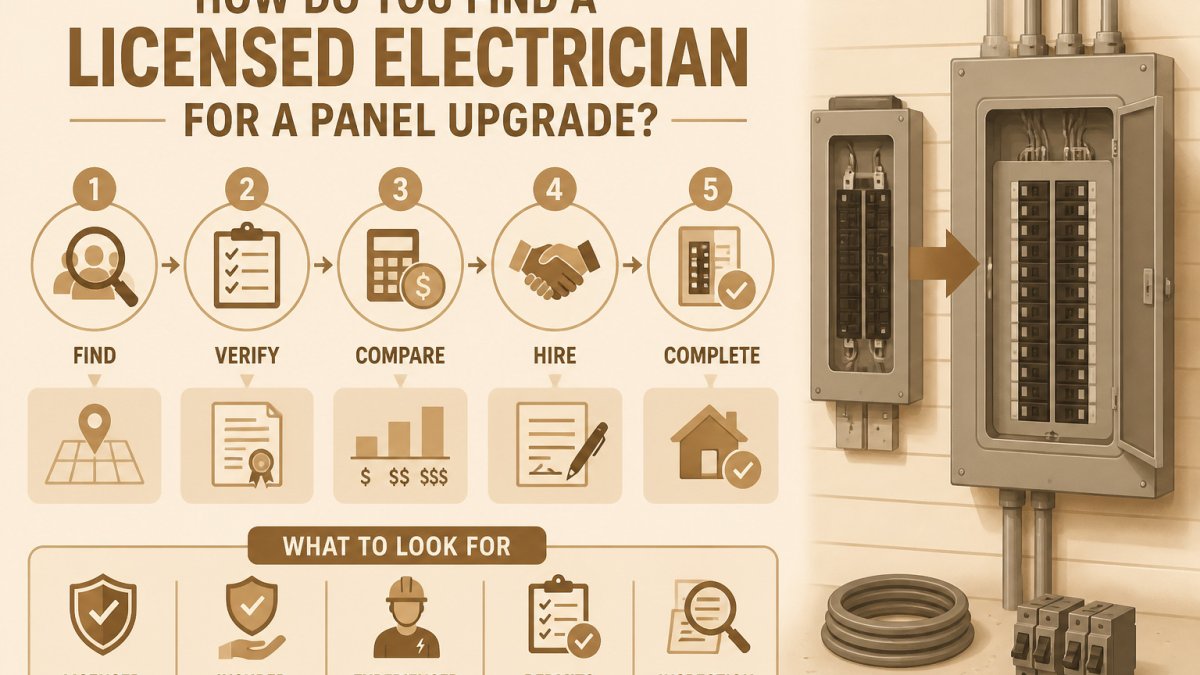
Look for these when hiring:
- A state-certified or locally licensed electrician
- Proof of bonding and insurance
- Willingness to pull the permit in their name
Light Life Electric is a family-owned, Florida certified electrical contractor, fully licensed, bonded, and insured, and handles the entire process from permits to final inspection. Our guide on finding a licensed electrician for a panel upgrade covers the questions to ask.
If you spot warning signs and want a professional opinion, our guide on how to prepare for a residential electrical safety inspection walks you through what to expect.
Frequently Asked Questions
Are old-style fuse boxes still legal in Bradenton?
Yes, an existing fuse box is generally legal to keep if it was installed to the code in force at the time and remains in good condition. Replacement becomes necessary when the system is unsafe, damaged, or cannot carry the home's electrical load. Insurance carriers and home-sale inspections can also flag an outdated fuse box, so confirm your policy requirements before you decide to keep it.
What are the most common outdated fuse box warning signs?
Watch for fuses that blow repeatedly, scorch marks or corrosion inside the panel, flickering or dimming lights, a burning smell, and a panel that feels warm or buzzes. These outdated fuse box warning signs point to loose connections, arcing, or an overloaded circuit. Any one of them deserves a professional inspection. Do not reset or replace a fuse and assume the problem is solved, because the underlying wiring fault usually remains.
How long does a fuse box replacement take?
Replacement time depends on the scope of the project and permit and utility scheduling. The fuse box replacement process includes shutting off power, removing the old panel, installing the new breaker panel, connecting circuits, and passing inspection. Older homes with damaged wiring or undersized service can take longer. Your electrician should give you a written timeline and explain any inspection scheduling delays before work begins.
Can I replace a fuse box myself?
No. Fuse box replacement involves the electrical service, permitting, and inspection, and it is not a do-it-yourself job. A licensed electrician for fuse box replacement handles the permit, the load calculation, and the final inspection approval. Unpermitted work can complicate a home sale and may void insurance coverage. Hire a Florida certified contractor who can show you license and insurance documentation before any work starts.
An old fuse panel can be safe, but only while it stays in good condition. Once fuses blow, the panel runs hot, or your power needs outgrow the service, replacement is the safer path. Light Life Electric handles panel upgrades from permits to final inspection, with code-compliant work and 24/7 emergency response when something goes wrong. Get started with Light Life Electric and get your free electrical estimate today.