 how-to
How to Choose a Residential Electrician in Sarasota: Hiring Guide
Last Updated: October 31, 2026
Quick Summary
Choosing a residential electrician in Sarasota starts with three checks: an active state license, current insurance, and a written scope of work. Verify the license through the state database, get a certificate of insurance emailed directly from the insurer, and confirm the contractor pulls the permit in their name.
- Ask the contractor's insurance agent to email a certificate of insurance directly, not a photocopy.
- A common residential minimum for general liability is $1 million per occurrence.
- The Florida electrical contractor license lookup takes about five minutes through the state portal.
- Ask any emergency provider for a clear arrival window when you call.
- A contractor who cannot produce a bond number and surety company name is one you should not hire.
Table of Contents
- What to Verify Before You Hire a Residential Electrician
- How to Run a Florida Electrical Contractor License Lookup
- Emergency Electrical Services Response Time: What to Expect
- Questions to Ask Before Hiring a Residential Electrician
- Red Flags in Estimates, Permits, and Workmanship
- Get Your Free Electrical Estimate from Light Life Electric
- Frequently Asked Questions
What to Verify Before You Hire a Residential Electrician
Choosing a residential electrician in Sarasota starts with three checks: an active state license, current insurance, and a written scope of work. Skip any one of them and you carry the risk.
Electrical work is not a place to guess. A bad connection can sit hidden behind drywall for years before it causes a problem.
Here is the short version of what matters most:
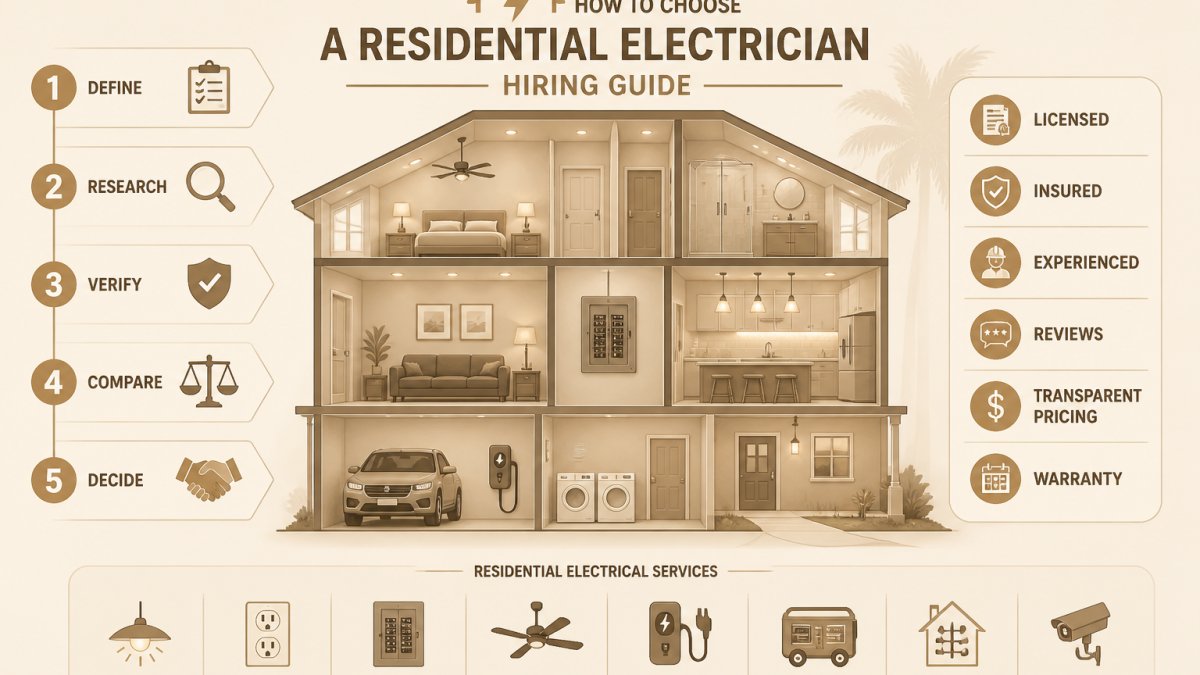
- License: active and in the right category for the job
- Insurance: general liability plus workers' compensation
- Bonding: protects you if the contractor breaks the agreement
- Written scope: what gets done, in what order, for what price
- Permits: pulled in the contractor's name, not yours
Most guides stop at "make sure they're licensed." That advice is incomplete. For a step-by-step walkthrough of these checks, see how to hire a pro. A license alone tells you the state approved them to work. It does not tell you whether their insurance is current or whether they will pull the permit.
Licensing, Insurance, and Bonding Checks
A licensed electrician holds a state-issued credential that allows them to perform electrical work legally. Electrical contractors hold credentials that cover different scopes of work, so ask which one they hold and whether it matches your project. Ask which credential they hold and whether it matches your project.
Insurance: what to request and why it matters.
Do not accept a verbal "we're insured" or a photocopied certificate. Ask the contractor to have their insurance agent email you a certificate of insurance (COI) directly. The COI is the one-page document that lists the policyholder, the insurer, the policy number, the effective and expiration dates, and the coverage limits. Read it, don't just file it.
Two lines matter most for residential work:
- General liability (GL): covers third-party bodily injury and property damage caused by the contractor's work, for example, a fire started by faulty wiring or water damage from a dropped fixture. Ask what the per-occurrence limit is; a common residential minimum is $1 million per occurrence, though larger projects may warrant more.
- Workers' compensation: covers the contractor's employees if they are injured on your property. This is the line homeowners most often overlook. If an uninsured helper falls off a ladder in your attic and the contractor has no workers' comp, the injury can become a claim against your homeowner's policy, or a lawsuit against you. A legitimate residential electrical contractor should be able to show proof of workers' compensation coverage.
Also confirm the COI names you or your property as an additional insured for the duration of the job if the contractor offers it, not every residential job requires this, but for larger projects it is a reasonable ask.
Bonding: how it actually protects you.
A surety bond is not insurance for the contractor, it is a three-party agreement among the contractor (the principal), the surety company, and the obligee (often the state or a licensing authority). If the contractor takes your deposit and disappears, performs work that violates the contract, or fails to pay subcontractors or suppliers who then file a lien on your home, the bond gives you a formal path to make a claim.
Ask for the bond number and the surety company's name. A contractor who cannot produce either is a contractor you should not hire.
A quick verification checklist:
- License number written down and verified through the state database (see the next section).
- COI emailed directly from the insurer, with GL and workers' comp lines visible and unexpired.
- Bond number and surety company name on file.
- Written scope of work that lists what is and is not included.
- Permit responsibility stated in writing, the contractor pulls it, in their name.
Save all five items in one folder. If a dispute arises later, that folder is your evidence.
Here are the five items to verify and keep on file before you hire.
| Item | What to confirm | Note |
|---|---|---|
| License | Active and in the right category for the job | Verify through the state database |
| Insurance | General liability plus workers' compensation | COI emailed directly from the insurer |
| Bonding | Bond number and surety company name | Protects you if the contractor breaks the agreement |
| Written scope | What gets done, in what order, for what price | Lists what is and is not included |
| Permits | Pulled in the contractor's name, not yours | Permit responsibility stated in writing |
How to Run a Florida Electrical Contractor License Lookup
The Florida electrical contractor license lookup takes about five minutes and confirms whether your contractor can legally do the work. Florida maintains a public license lookup. You can search by name or license number.
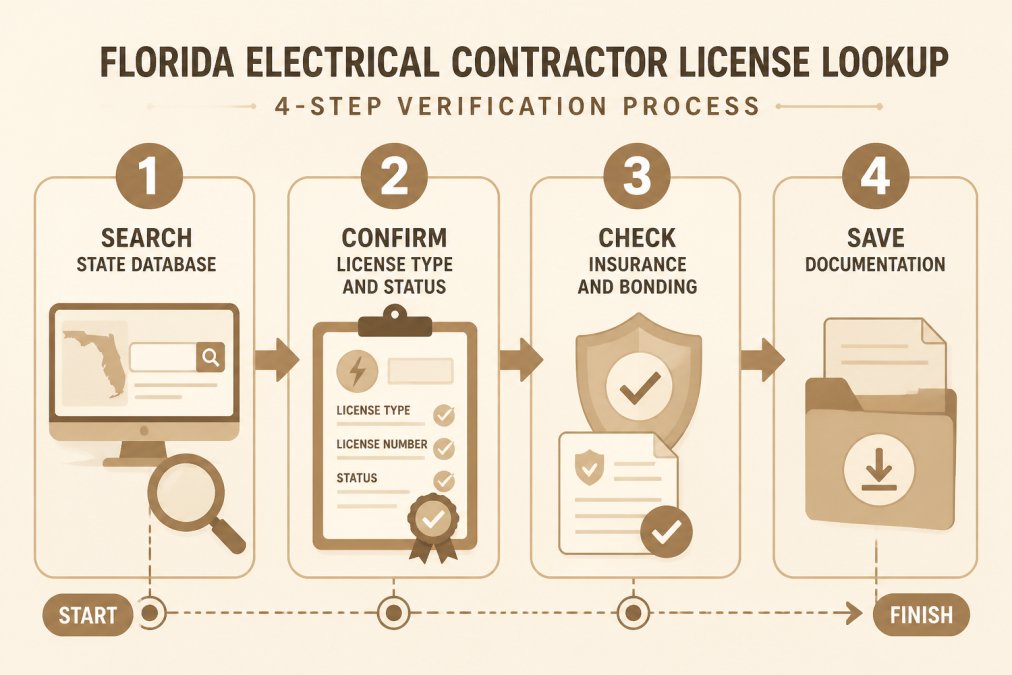
Follow these steps:
- Go to the state license verification portal and search the contractor's name or license number.
- Confirm the license type matches your job, such as a certified electrical contractor for a panel upgrade.
- Check the status reads "active" and note the expiration date.
- Look for any disciplinary actions or complaints listed on the record.
- Save a screenshot or PDF of the result for your files.
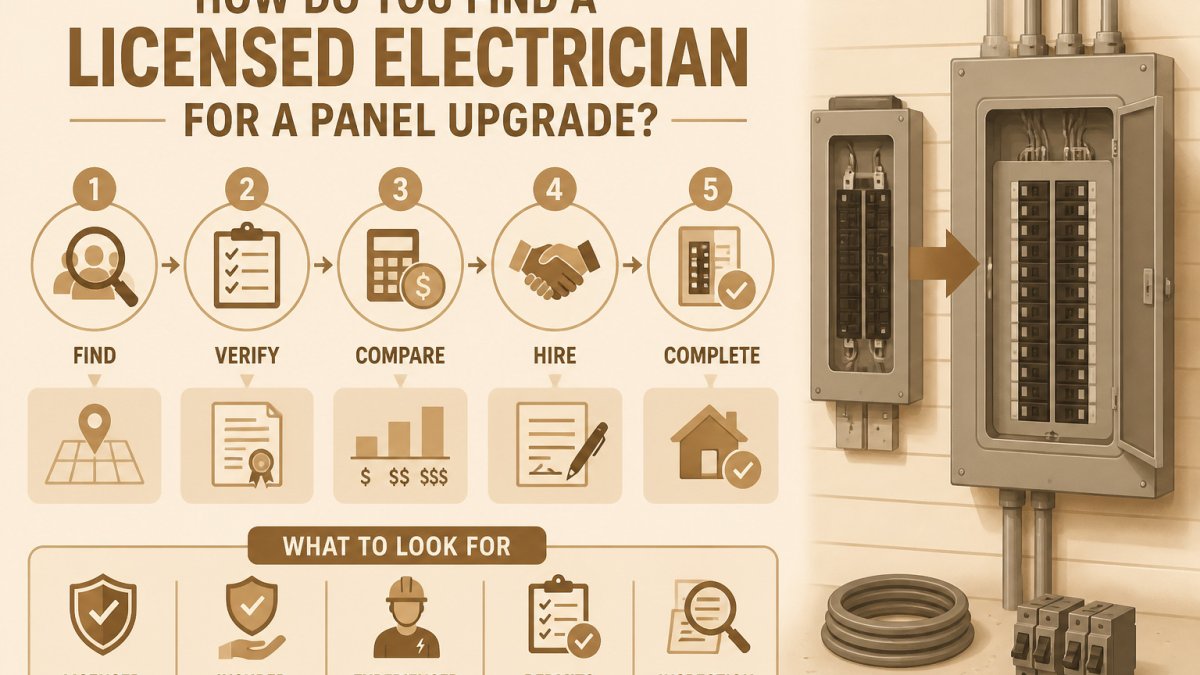
The Florida Department of Business and Professional Regulation license search is the official source. If a contractor's license does not appear, ask why before you sign anything. For a closer look at vetting an electrician for a panel upgrade, see how to find a licensed electrician for a panel upgrade.
What the Average Cost of Residential Electrical Repairs Looks Like
The average cost of residential electrical repairs varies widely by job type, home age, and access to the wiring. There is no single number that fits every situation. A simple outlet replacement costs far less than a full panel upgrade, and the gap between them is large.
Pricing depends on several factors:
Get your free electrical estimate →
- Scope: a single fixture versus whole-home rewiring
- Access: wiring behind finished walls takes more labor
- Materials: standard outlets versus smart or specialty fixtures
- Permits: required for many jobs and adds a line to the estimate
- Emergency timing: after-hours calls usually cost more
Ask for a written estimate that breaks out labor, materials, and permit fees. A lump-sum number with no detail is hard to compare against another quote.
Compare estimates line by line, not just the bottom number, and check whether each one includes permit and inspection costs.
Emergency Electrical Services Response Time: What to Expect
Emergency electrical services response time depends on the provider and the time of day. Ask any emergency provider for a clear arrival window when you call.
What counts as a true emergency:
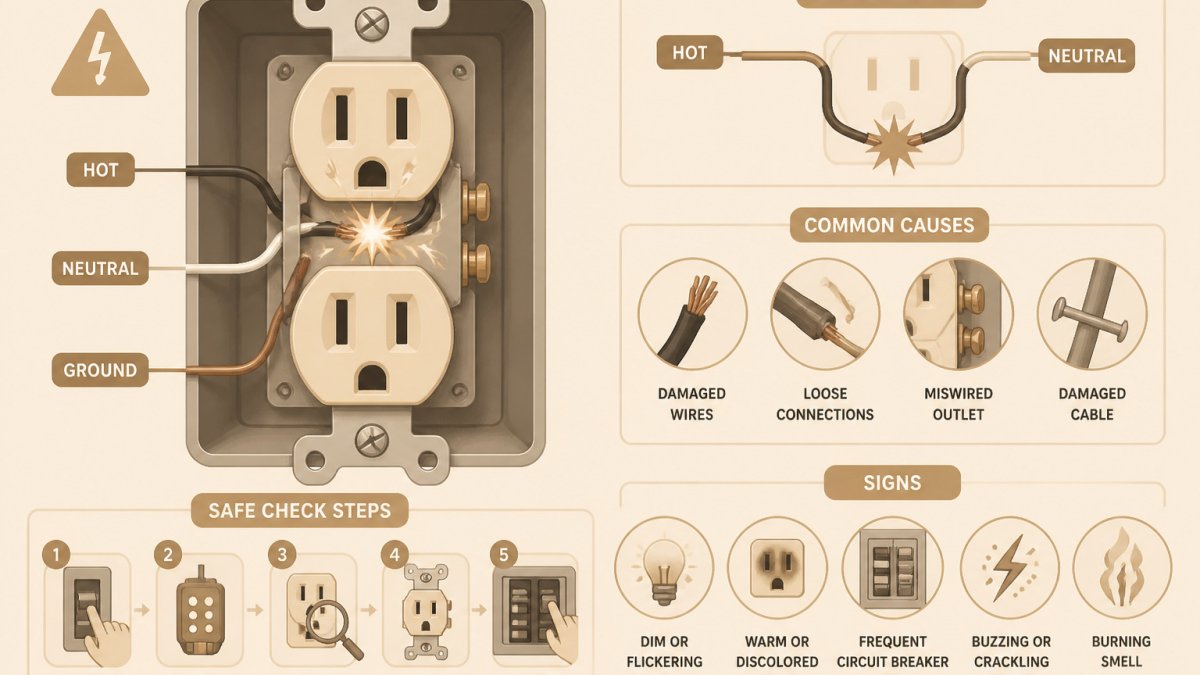
- Burning smell or visible smoke from an outlet or panel
- Sparking or buzzing at a breaker
- Downed power lines on your property
- Complete loss of power with no obvious cause
- Water contact with live electrical equipment
For these, shut off power at the breaker if it is safe to do so and call for help. Do not open the panel yourself.
A reliable emergency electrician will ask a few triage questions on the phone. They want to know what is happening and whether the power is off. That call helps them arrive with the right parts.
Light Life Electric offers 24/7 emergency response across Manatee and Sarasota Counties. See what to expect from emergency electrician services in Sarasota.
Questions to Ask Before Hiring a Residential Electrician
The best screening tool is a short list of questions. Ask them on the phone before you book anyone.
- Are you licensed, and what is your license number? Write it down and verify it.
- Can you send a certificate of insurance today? A real pro will not hesitate.
- Will you pull the permit? The answer should be yes, in their name.
- Who does the actual work? The person quoting may not be the person on site.
- What is your warranty on labor? Get the length in writing.
- How do you handle changes mid-job? Ask for a written change order process.
- Can you provide references from similar jobs? Recent ones, not five-year-old ones.
A common mistake is hiring the first person who answers the phone. Slow down for ten minutes and ask these questions. It saves far more time than it costs.
Red Flags in Estimates, Permits, and Workmanship
Red flags show up in three places: the estimate, the permit, and the finished work. Learn to spot them early.
Estimate red flags:
- A verbal quote with nothing in writing
- Cash-only demands or large deposits up front
- No line items for labor, materials, or permits
- Pressure to sign today for a "discount"
Permit red flags:
- "You don't need a permit for this" on work that clearly requires one
- Asking you to pull the permit as the homeowner
- No inspection scheduled after the work
Workmanship red flags:
- Unlabeled breakers in the panel
- Loose or uncovered junction boxes
- No documentation of what was done
Permits exist for a reason. They trigger an inspection that confirms the work meets code. Our guide to residential electrical permits explains the requirements so you can spot permit-related red flags. Skipping that step can affect insurance coverage later.
Get Your Free Electrical Estimate from Light Life Electric
Hiring the right electrician comes down to verification, clear scope, and honest communication. Do the license check. Ask the questions. Compare the estimates line by line. That process protects your home and your wallet.
Light Life Electric is a family-owned, Florida certified electrical contractor serving Manatee and Sarasota Counties. We are licensed, bonded, and insured, and we handle every job from permits to final inspection. Our team offers 24/7 emergency response for urgent issues.
Get started with Light Life Electric and request your free electrical estimate today. Visit our residential services page to get your free estimate.
Frequently Asked Questions
How do I verify an electrician's license in Florida?
Use the state's online license lookup to confirm the contractor holds an active Florida electrical contractor license and that the license type matches your project. Check the license status, expiration date, and any disciplinary history. Ask the electrician for the license number before the visit and verify it yourself rather than relying on a logo or business card. A legitimate residential electrician will share the number without hesitation.
What questions should I ask before hiring a residential electrician?
Ask for the license number and proof of insurance, whether the company pulls permits for the work, and who performs the actual labor (employees or subcontractors). Request a written scope of work and a quote that separates materials from labor. Ask about warranty terms on workmanship, typical emergency electrical services response time, and whether the initial diagnostic visit carries a fee. Clear answers to these questions separate organized contractors from ones that improvise.
How do I know if an electrician is insured and bonded?
Request a certificate of insurance directly from the contractor and confirm the general liability and workers' compensation coverage is current. Call the insurer listed on the certificate to verify the policy is active. Bonding protects against certain losses if the contractor fails to complete the job or violates permit rules. A licensed electrician should provide these documents on request without delay, and the paperwork should name the business you are actually hiring.
What are the signs of an electrical emergency in a residential home?
Burning smells from outlets or the panel, scorch marks, sparking, buzzing sounds, repeated breaker trips, and warm or discolored outlets all point to a hazard that needs immediate attention. If you see smoke or flames, leave the home and call 911 first. For non-fire hazards, shut off power at the panel if it is safe to reach and contact a residential electrician with 24/7 emergency service. Fast emergency electrical services response time matters most in these situations.