 listicle
Light Up Your Life: Sarasota Lighting Guide
Table of Contents
- Why Lighting Matters for Your Home and Business
- Custom Lighting Design for Every Space
- Energy-Efficient Lighting Upgrades for Lower Bills
- Commercial Lighting Design Services
- Electrical Safety Inspections and Code Compliance
- Lighting Installation and Maintenance
- Budgeting for Lighting Renovations
- Frequently Asked Questions
Last Updated: August 30, 2026
Why Lighting Matters for Your Home and Business
Proper lighting transforms how spaces function and feel, affecting safety, productivity, mood, and aesthetic appeal. Yet most homeowners and business owners treat lighting as an afterthought until a bulb burns out.
Well-designed lighting creates safety hazards and wastes money monthly. According to the U.S. Department of Energy's guidance on residential energy efficiency, lighting accounts for roughly 10% of residential electricity use, making it a meaningful target for cost reduction.
At Light Life Electric, we help homeowners and business owners understand that lighting is strategic. Whether renovating a single room or designing a complete electrical system for a new build, your choices now determine comfort, safety, and operating costs for years to come.
Custom Lighting Design for Every Space
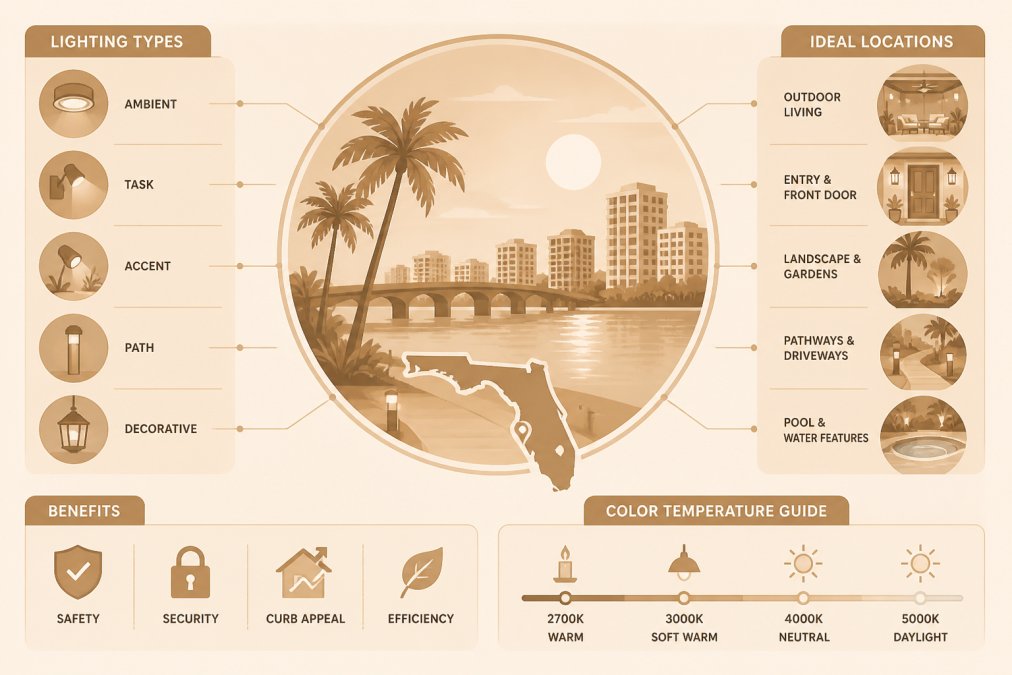
Effective lighting design combines three distinct types of illumination working together.
Ambient, Task, and Accent Lighting
Ambient lighting is your baseline, general illumination from ceiling fixtures, recessed lights, and flush mounts that allows safe movement and basic activities without glare.
Task lighting focuses light where work happens: kitchen countertops for food preparation, desks for reading, bathroom mirrors for grooming. It prevents eye strain and makes activities safer and more efficient.
Accent lighting highlights architectural features, artwork, or creates atmosphere through wall sconces, uplighting, and spotlights. A well-placed accent light makes a room feel intentional and sophisticated.
The key insight: these three layers should be independently controlled. You want the ability to dim ambient light in the evening, brighten task lighting during work hours, and adjust accent lighting for different moods. This flexibility separates professionally designed systems from basic wiring.
Modern Fixtures and Contemporary Trends
Contemporary lighting fixtures blend aesthetic appeal with energy efficiency and smart home integration. LED technology dominates modern design, producing light without excess heat and lasting 25,000-50,000 hours instead of 1,000-2,000 hours (peer-reviewed research). LEDs are available in virtually any color temperature, from warm 2700K tones to cool 5000K tones.
Pendant lights have become staples in contemporary kitchens and dining areas, providing focused light while creating visual interest. Track lighting offers flexibility that fixed fixtures cannot match, lights can be repositioned and angled without rewiring, making them ideal for retail spaces, galleries, and homes with changing lighting needs.
Smart lighting integration is increasingly expected. Connected bulbs and fixtures allow brightness and color temperature adjustments from your phone. Motion sensors automate lighting in hallways and outdoor areas. Sunrise simulation gradually brightens bedrooms in the morning.
The mistake most people make is choosing fixtures based on appearance alone. A beautiful fixture that's the wrong color temperature or brightness level for its purpose creates daily frustration. Fixture selection should start with function, what task needs light, how much, and how often, then move to aesthetics.
Energy-Efficient Lighting Upgrades for Lower Bills
Switching to energy-efficient lighting is one of the fastest ways to reduce electricity consumption. LED fixture and bulb costs have dropped dramatically, with payback periods through lower bills typically 1-3 years.
LED Technology and Smart Lighting Integration
LED bulbs use 75-80% less energy than incandescent bulbs to produce the same light output (energy.gov). A 60-watt incandescent produces roughly the same light as a 9-watt LED. Over a year, that single bulb switch saves significant electricity and money.
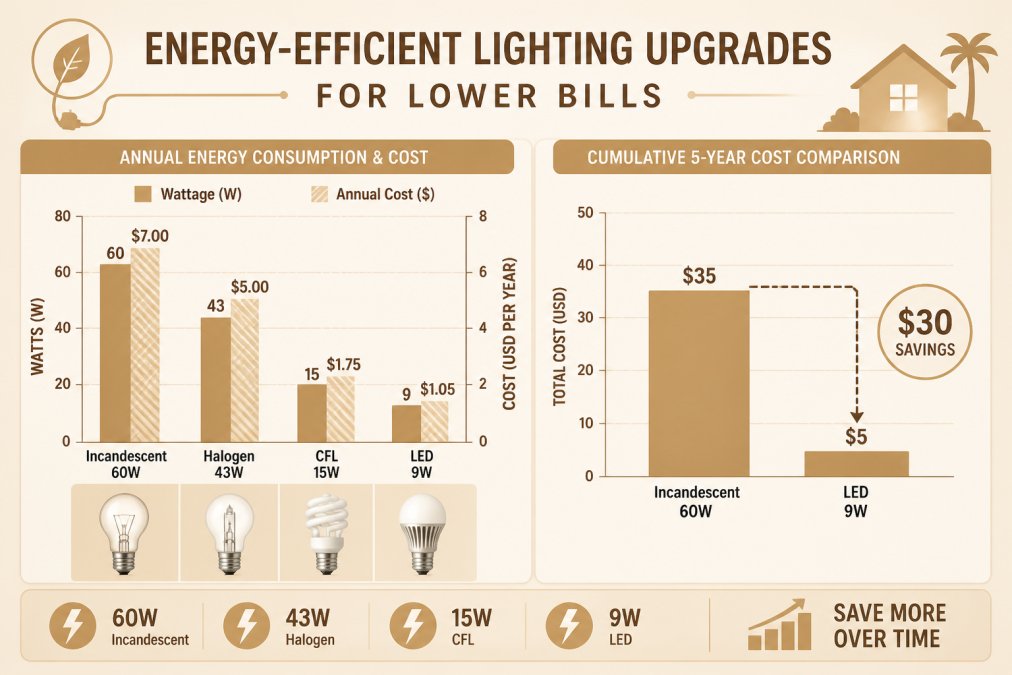
Real efficiency gains come from system-wide LED conversion combined with smart controls. A home replacing all incandescent bulbs with LEDs and adding dimmer switches, motion sensors, and automated scheduling can reduce lighting electricity use by 50% or more. Outdoor security lighting with motion sensors eliminates waste from lights running all night.
Smart lighting systems add another efficiency layer. Scheduling features automatically adjust brightness throughout the day. Occupancy sensors turn lights off in unused rooms. Integration with other systems means lighting responds to time of day, weather, and location.
For commercial properties, efficiency gains are even more significant. A retail store, office, or hospitality space running lighting 12-16 hours daily can reduce lighting costs by 40-60% through LED conversion with smart controls, recouping investment within 18-24 months through energy savings alone.
Commercial Lighting Design Services
Businesses have different lighting needs than homes. Retail spaces need bright, consistent lighting that makes products visible and appealing. Office environments benefit from flicker-free lighting that reduces eye strain during long work days. Hospitality venues need lighting that creates the right atmosphere while remaining functional for staff.
Retail, Office, and Hospitality Lighting Solutions
Retail lighting must accomplish multiple goals simultaneously. Bright, even illumination prevents dark corners where customers might feel unsafe. Color-accurate lighting (typically 4000K or 5000K) makes products look true to how customers will see them at home. Accent lighting highlights featured products and creates visual hierarchy. Dimmer capability allows mood adjustment for different times of day or seasonal promotions.
Office lighting directly affects employee productivity and well-being. Poor office lighting causes eye strain, headaches, and fatigue, reducing output and increasing sick days. Professional office lighting should be bright enough for computer work (typically 300-500 lux), flicker-free to prevent screen fatigue, and positioned to minimize glare on monitors. Tunable lighting systems that shift color temperature throughout the day support circadian rhythms, helping employees feel alert during work hours and wind down naturally in the evening.
Hospitality lighting must balance ambiance with function. Restaurant dining areas need warm, flattering light that makes food look appetizing. Kitchens need bright, functional task lighting for food preparation. Bar areas benefit from accent lighting that highlights bottles and creates an inviting atmosphere. Hotel guest rooms need layered lighting: bright task lighting for unpacking and work, dimmer ambient lighting for relaxation, and night lights for safety.
Get your free electrical estimate →
Commercial properties also face specific code requirements for egress lighting, exit signs, emergency lighting, parking areas, and loading docks. Professional design ensures compliance with local building codes while optimizing for actual business needs.
Electrical Safety Inspections and Code Compliance
Electrical systems degrade over time. Wiring insulation cracks, connections loosen, breakers age, and hazards develop silently until failure or fire risk emerges.
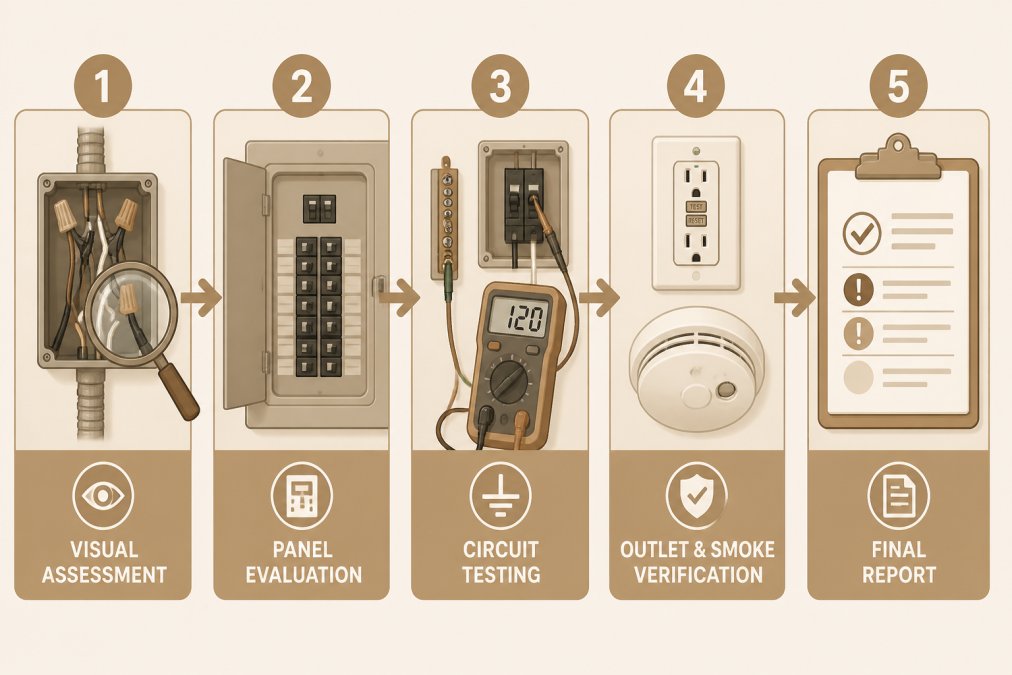
A comprehensive electrical safety inspection identifies hazards before they cause problems. Licensed electricians check for outdated wiring (like aluminum wiring from the 1960s-1970s, which poses fire risk), improper grounding, undersized panels, missing or malfunctioning GFCI outlets, and breakers that don't trip properly.
Code compliance matters for safety, insurance coverage, home resale value, and legal liability. If a fire starts in faulty wiring and insurance discovers the system wasn't up to code, they may deny the claim. Homes built before 1980 should be inspected by a licensed electrician. Homes with flickering lights, outlets that don't hold plugs securely, burning smells near outlets, breakers that trip frequently, or water damage near electrical equipment warrant immediate inspection.
Lighting Installation and Maintenance
Professional installation ensures your lighting system works safely, efficiently, and reliably for years.
From Design Consultation to Final Inspection
The process starts with understanding your needs: how you use each space, aesthetic preferences, budget constraints, and special requirements. A professional designer translates these into a detailed plan showing fixture locations, wiring routes, control points, and specifications.
Permitting comes next. Most lighting installations require building permits to ensure the design meets local codes before work begins. Light Life Electric handles permitting and coordination with local building departments.
Installation involves running new wiring, mounting fixtures, installing switches and controls, and testing everything before power is applied. Quality installation means wiring is properly sized, connections are secure and protected, and fixtures are mounted securely and safely.
Final inspection by the local building department verifies the work meets code, confirming system safety and providing documentation for insurance and future home sales.
24/7 Emergency Response and Support
Electrical emergencies don't happen during business hours. A breaker might fail at 2 AM, a storm could damage outdoor lighting, or a circuit could overheat and create fire risk.
Light Life Electric offers 24/7 emergency response because electrical problems are safety problems. A licensed electrician responds quickly to diagnose issues, make emergency repairs, and ensure your home or business is safe. For commercial properties, electrical downtime directly costs money, quick response minimizes that impact.
Budgeting for Lighting Renovations
Lighting projects range from simple bulb replacements to complete system redesigns. Basic bulb and fixture replacement costs depend on the number of fixtures, fixture quality, and whether existing wiring can be reused. A simple retrofit replacing old fixtures with new LED equivalents in existing locations is relatively affordable.
More extensive projects involving new circuits, dimmer switches, smart controls, or relocated fixtures require more labor and materials but deliver better functionality and efficiency. Outdoor lighting typically requires new wiring from the house to outdoor locations, adding cost but dramatically improving safety and curb appeal.
Prioritize which spaces benefit most from improved lighting, which upgrades deliver fastest return through energy savings, and which features matter most for daily life. Many homeowners spread major renovations over time, starting with high-impact areas like kitchens and bathrooms, then adding outdoor security lighting and gradually expanding to other rooms.
Lighting design and installation require expertise in electrical safety, code compliance, and design principles. Getting it right means your home or business is safer, more efficient, and more pleasant. Getting it wrong creates safety hazards, wastes money, and leaves you frustrated.
Light Life Electric brings together all these elements. Our team of Florida certified electricians handles the complete process from initial design consultation through final inspection, ensuring your lighting system is safe, efficient, and exactly what you need. We manage permits, coordinate with building departments, and stand behind our work. For emergencies, we're available 24/7 to keep your home or business safe.
Get your free electrical estimate and discover how professional lighting design transforms your space.
Frequently Asked Questions
How much does professional lighting design and installation typically cost?
Pricing for custom lighting design and installation depends on the scope of your project, number of fixtures, fixture types, and whether you need panel upgrades or rewiring. Residential projects range from modest updates to luxury smart lighting systems. Contact Light Life Electric for a free estimate tailored to your specific needs and budget.
What are the benefits of energy-efficient lighting upgrades?
LED lighting upgrades reduce electricity consumption compared to incandescent bulbs, lowering your monthly energy bills significantly. LEDs last 25,000+ hours versus 1,000 hours for traditional bulbs, reducing replacement costs. They also generate less heat, improving cooling efficiency in warm climates. Smart lighting integration adds convenience and further energy savings through automated schedules and motion sensors.
Do I need a permit for outdoor lighting installations?
Most outdoor lighting installations require permits, especially for hardwired systems, landscape lighting connected to your home's electrical panel, or fixtures involving trenching. Permit requirements vary by local jurisdiction. Light Life Electric handles all permitting, inspections, and code compliance throughout the installation process, ensuring your project meets all electrical codes and safety standards.
How often should I have an electrical safety inspection?
Homeowners should schedule electrical safety inspections periodically, or immediately if you notice flickering lights, frequently tripping breakers, outlets that don't work, or burning smells. Inspections identify faulty wiring, outdated panels, grounding issues, and GFCI/AFCI deficiencies before they become hazards. This protects your family and property from electrical fires.